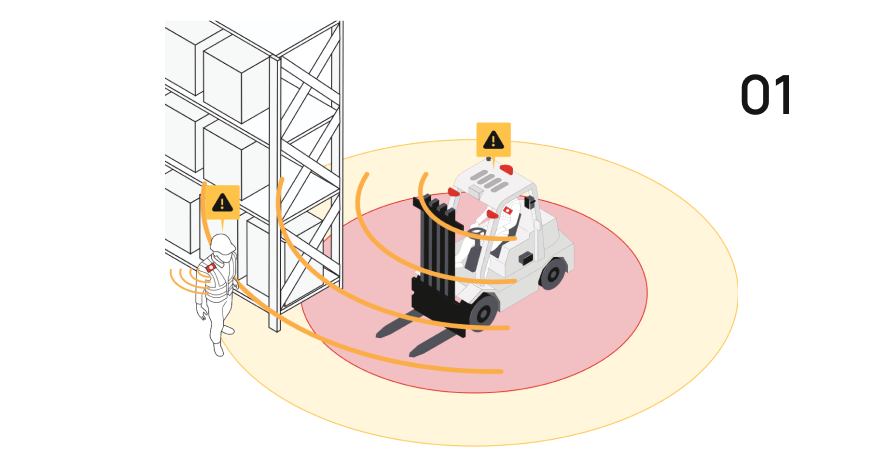
SonaSafe combines sonar-led proximity detection, tagless AI camera awareness and site-configured alerts to detect hidden pedestrian risks, alert operators and pedestrians in real time.
Built for prevention, not surveillance – helping teams act before a near miss becomes an incident.
In busy forklift and mobile plant environments, risk often builds during everyday movements – people, vehicles, equipment and assets sharing space. SonaSafe helps detect these interactions earlier, alert people in real time and give teams the data to act before near misses become incidents.
Workers can be hidden by racking, pallets, containers, stock, loads or infrastructure – where vision and camera-only systems can struggle.
Operators, workers, contractors and visitors often move through the same aisles, loading docks, dispatch zones and crossing points.
Pedestrians can enter forklift and mobile plant paths around corners, doors, end-of-aisles and obstruction points before the operator has clear sight.
Forklifts and mobile plant can operate too close to each other in busy aisles, yards and loading zones, increasing the risk of collisions between vehicles.
Forklifts and mobile plant can operate close to infrastructure, equipment, racking, containers, stock and high-value site assets.
Warnings that are too frequent, too late or not relevant to the actual risk can be ignored by operators over time.
The same risky interactions can occur again and again before the pattern is visible in daily reporting.
Traffic plans, signs, procedures and training remain important, but they can be hard to maintain as shifts, tasks and people change.
SonaSafe has been used in demanding operating environments where people, forklifts and mobile equipment interact every day. Published customer outcomes include significant reductions in near misses and exclusion zone breaches, supported by ongoing monitoring and event data.
Reduction in near-miss incidents
Reduction in exclusion zone breaches
Devices monitored
Validation before rollout
Results are based on documented customer deployments and depend on site conditions, configuration, user adoption and pilot scope. SonaSafe validates performance in each customer environment before rollout.
View Customer ResultsCamera-only systems can be limited by visibility. Tag-only systems can be rigid. SonaSafe lets each site choose the right mix of tagged sonar +UWB technology, tagless AI camera or hybrid detection by risk profile, pedestrian access, zone, task, vehicle type, visibility conditions, workforce group and the level of detection confidence required.

For controlled or complex environments where workers may be hidden behind racking, pallets, mobile plant or infrastructure.

For lower-friction deployment where wearable tag compliance is difficult, including visitors, contractors or uncontrolled pedestrian areas.

For mixed-risk sites that need tagless visibility in some areas and higher-confidence tagged detection in others.
No matter the environment, risk is hard to manage when people and mobile plant share the same space. Blind corners, racking, pallet stacks, changing lighting, outdoor conditions, traffic congestion and daily operating pressure can all reduce awareness. SonaSafe is configured for real operating environments – from warehouse aisles and loading docks to container yards, heavy manufacturing sites and high-consequence industrial zones.
.png)
Forklift safety for high-interaction warehouse environments. Blind spots, pedestrian crossings, racking, loading areas, forklifts under 5T and behaviour change.
View Warehousing Applications
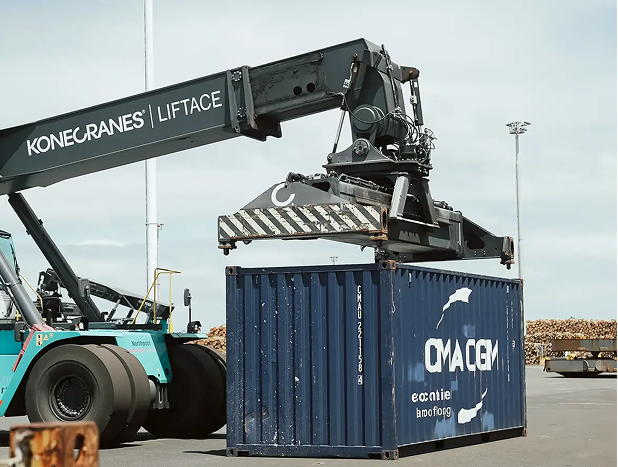
Mobile plant safety in harsh outdoor environments. Sea spray, glare, lighting changes, reach stackers, terminal tractors, container handling equipment and worker interaction.
View Ports and Container Terminals Applications
Mobile plant pedestrian detection for complex industrial sites. Dust, low visibility, mixed plant, gantry cranes, forklifts, loaders and contractor work zones.
View Heavy Industry ApplicationsSonaSafe is built for the moments other systems can miss – when people are hidden, visibility is poor, alerts are ignored or one safety model does not fit the whole site.

Sonar + UWB detection can help identify workers in blind spots, behind racking, around pallets and containers and in difficult visibility conditions. Designed for real operating environments, not just clear lines of sight.

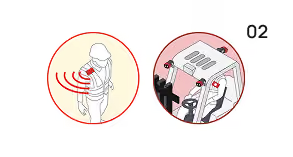
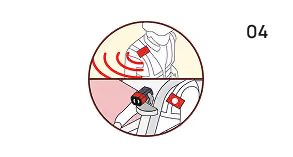
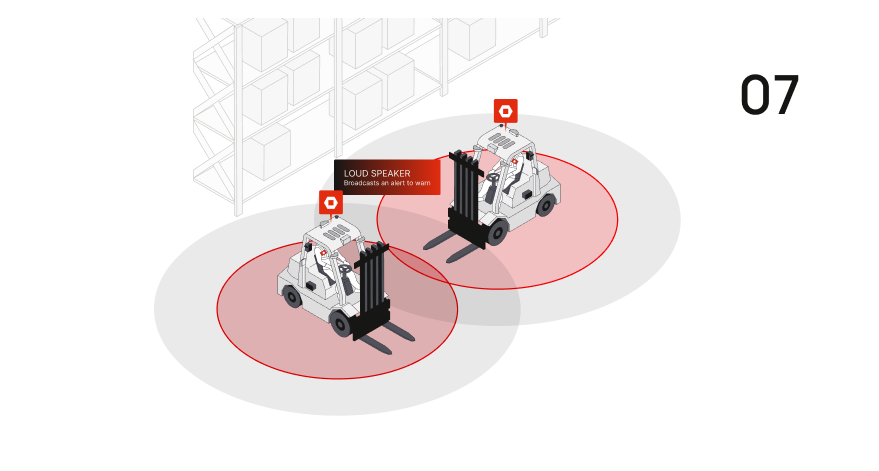
SonaSafe can alert the mobile plant operator and the person at risk in real time. Two people aware. Two chances to prevent the incident.

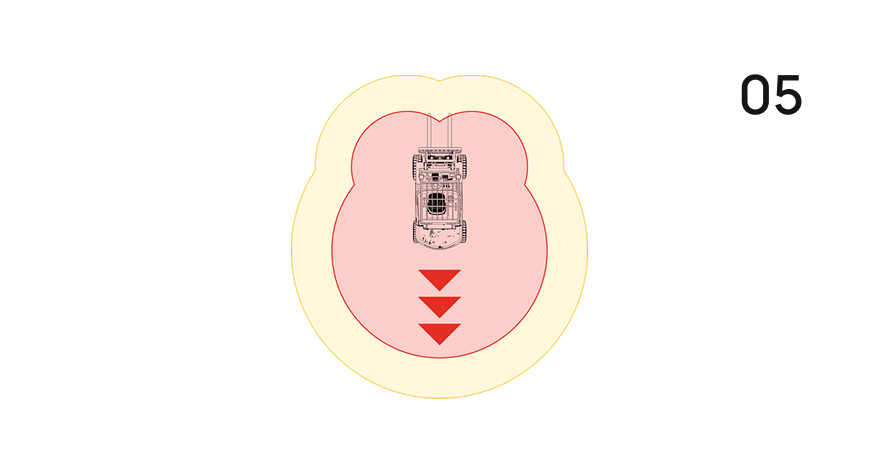
Where technically available, SonaSafe can support intervention controls that can slow the vehicle in configured risk zones. Detection quality drives safer intervention.

Tagged, Tagless or Hybrid deployment means high-risk zones can be configured differently from lower-risk or contractor-heavy areas. Configured to your site, not forced onto it.

The combined sonar +UWB technology with site-specific configuration helps reduce nuisance alerts, improve operator trust and support adoption on the floor. A safety system only works if people trust it.

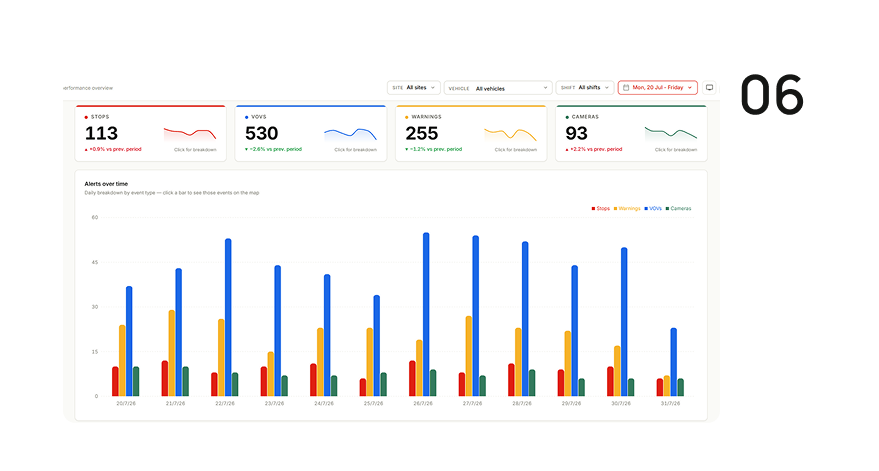
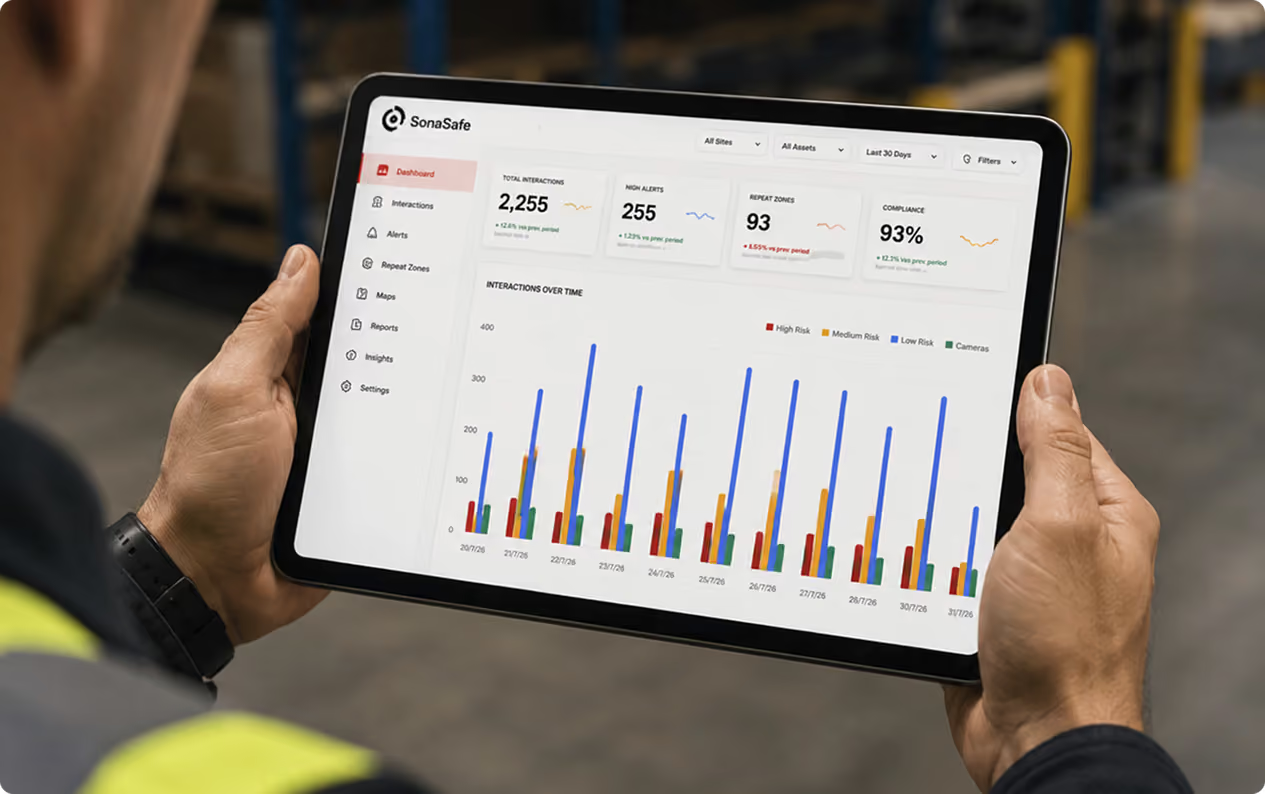
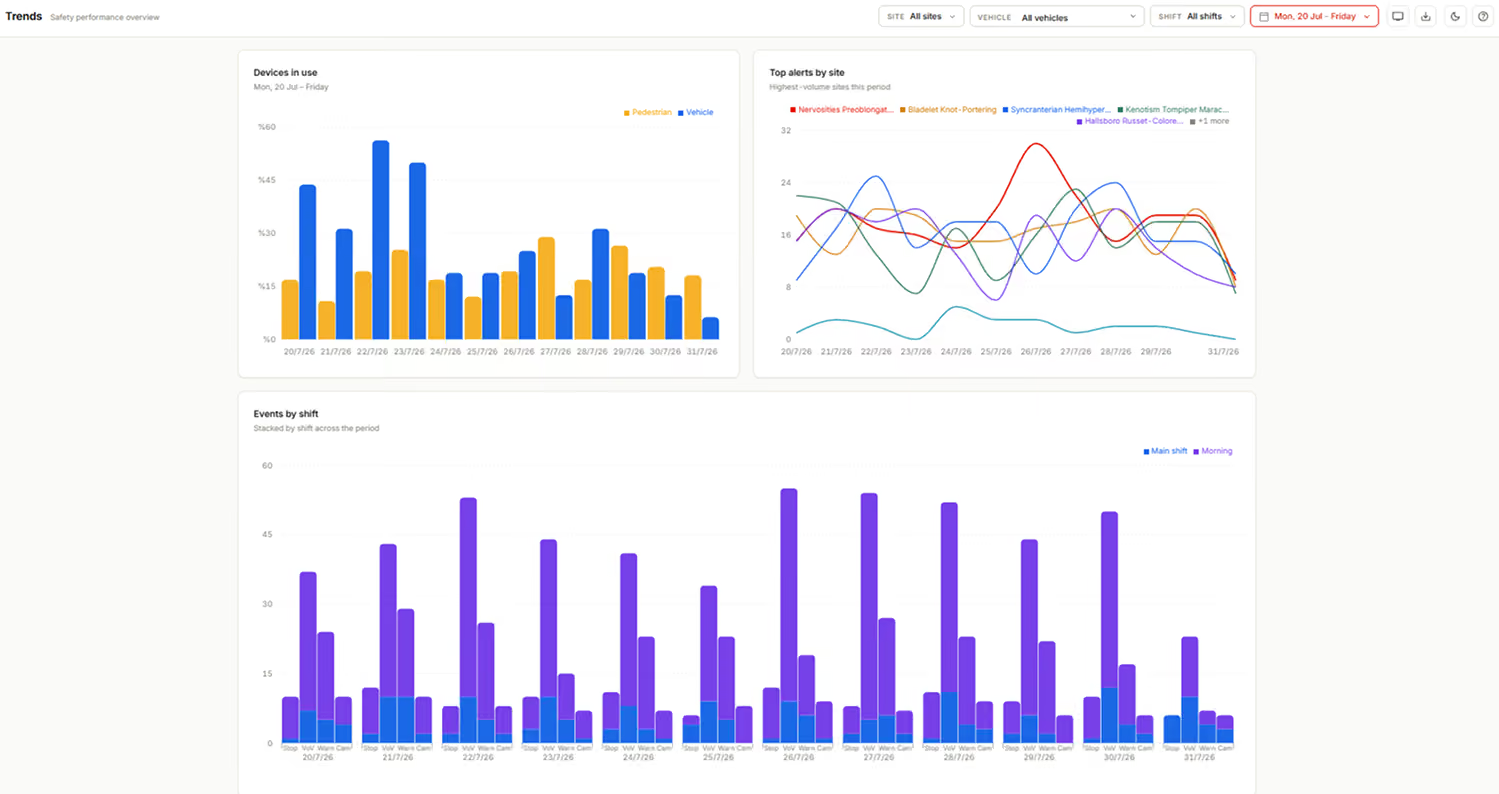
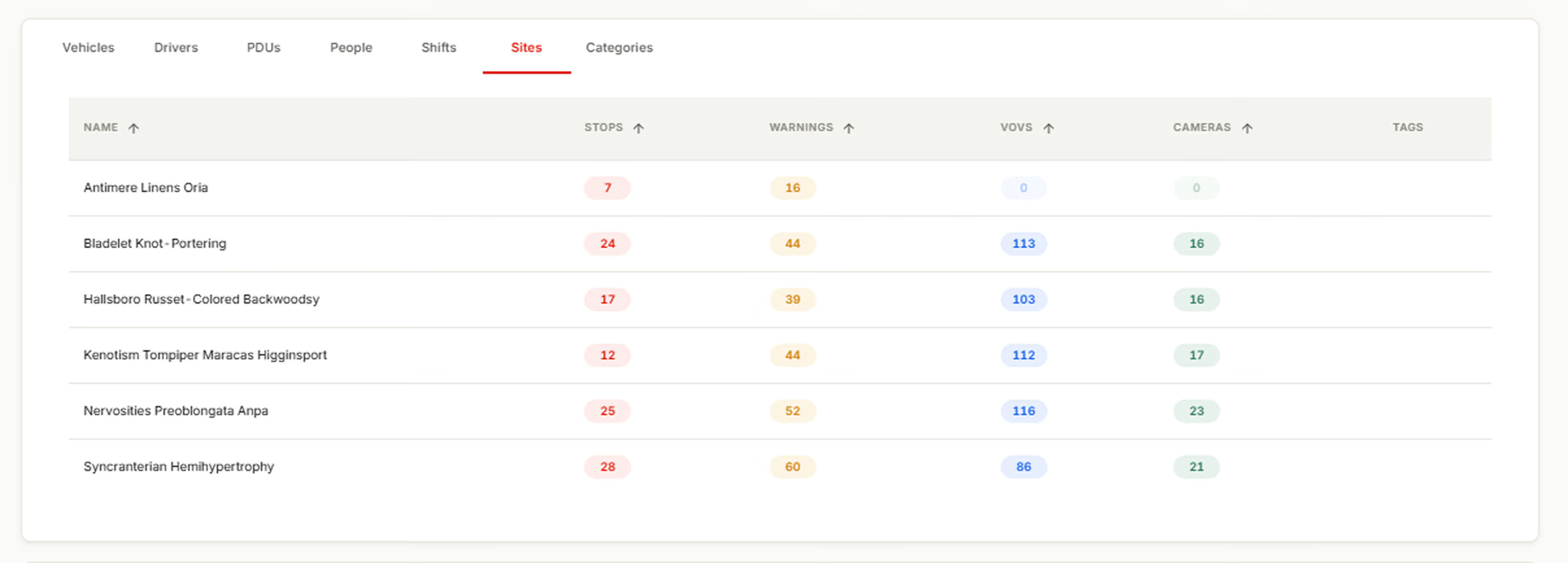
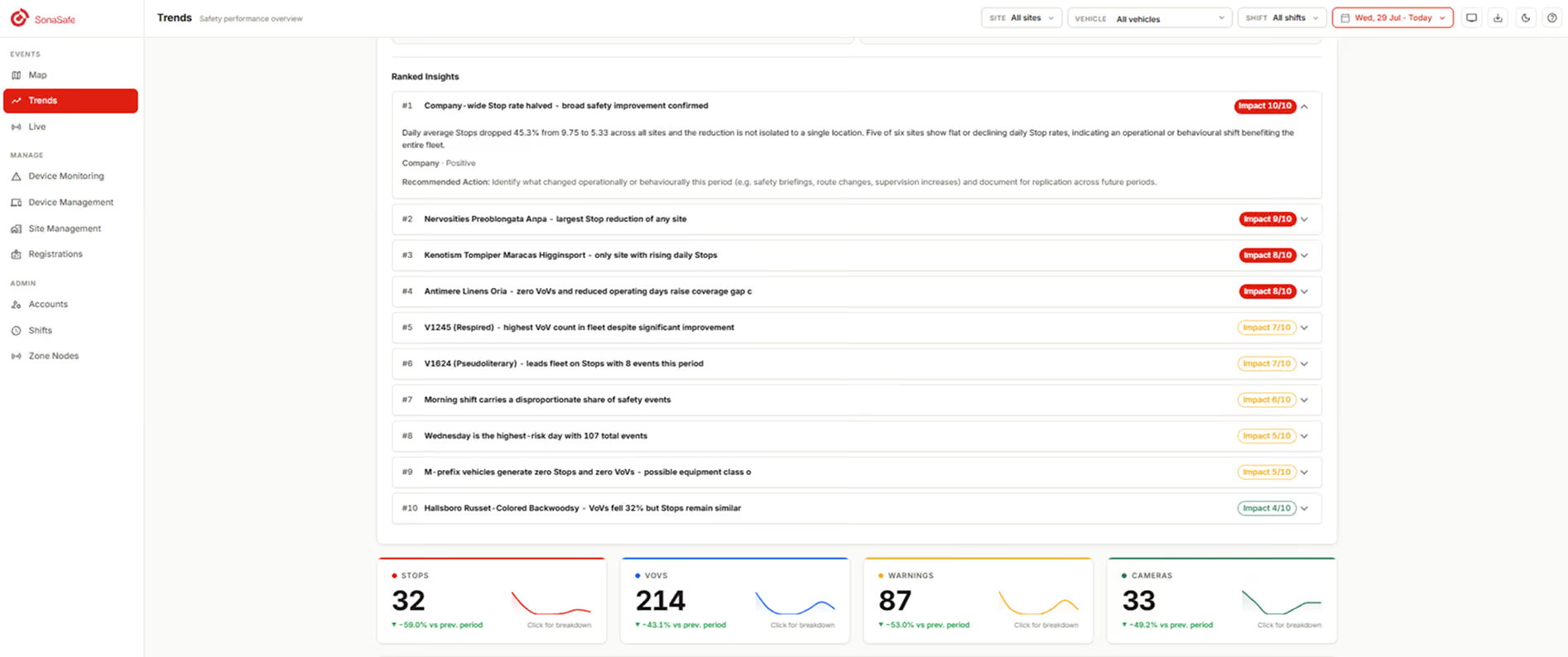
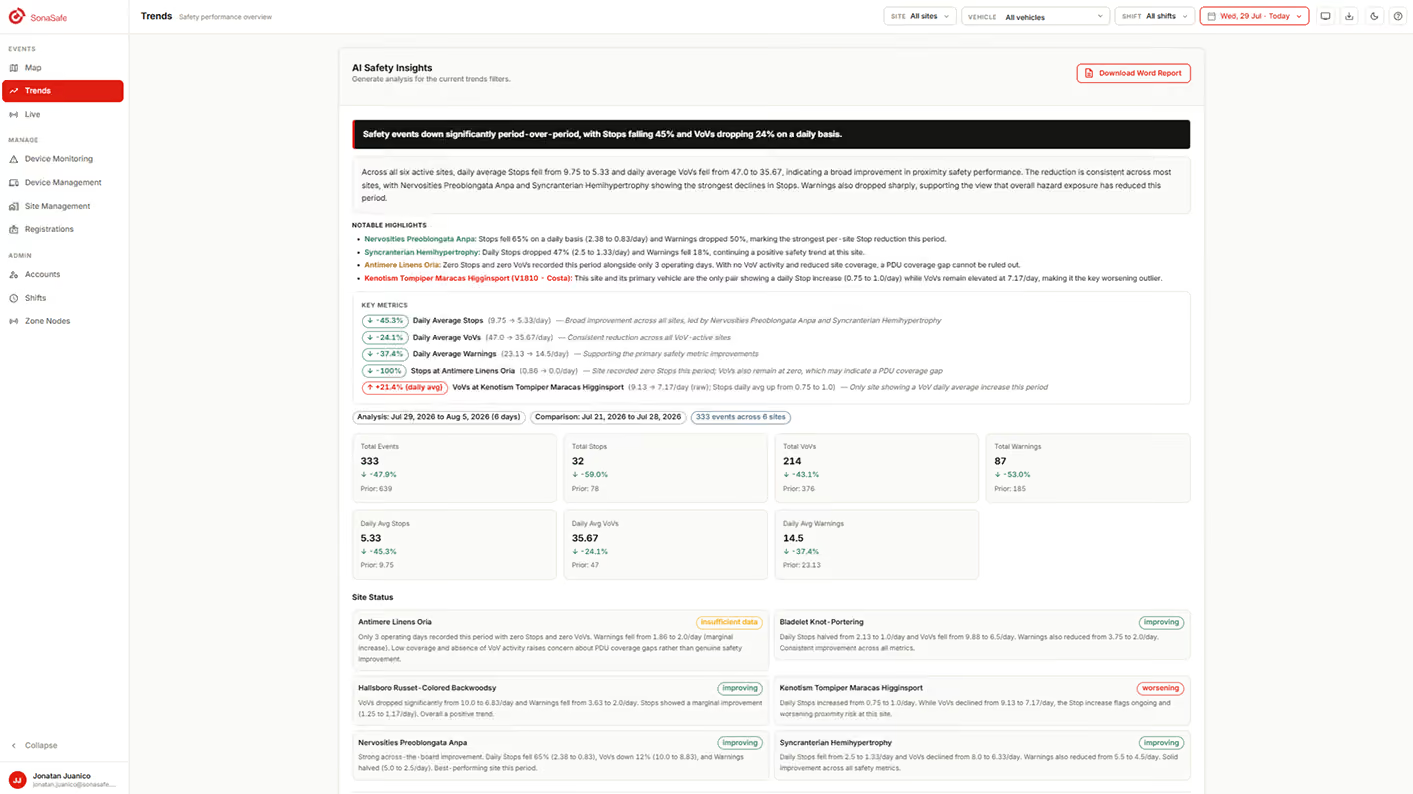
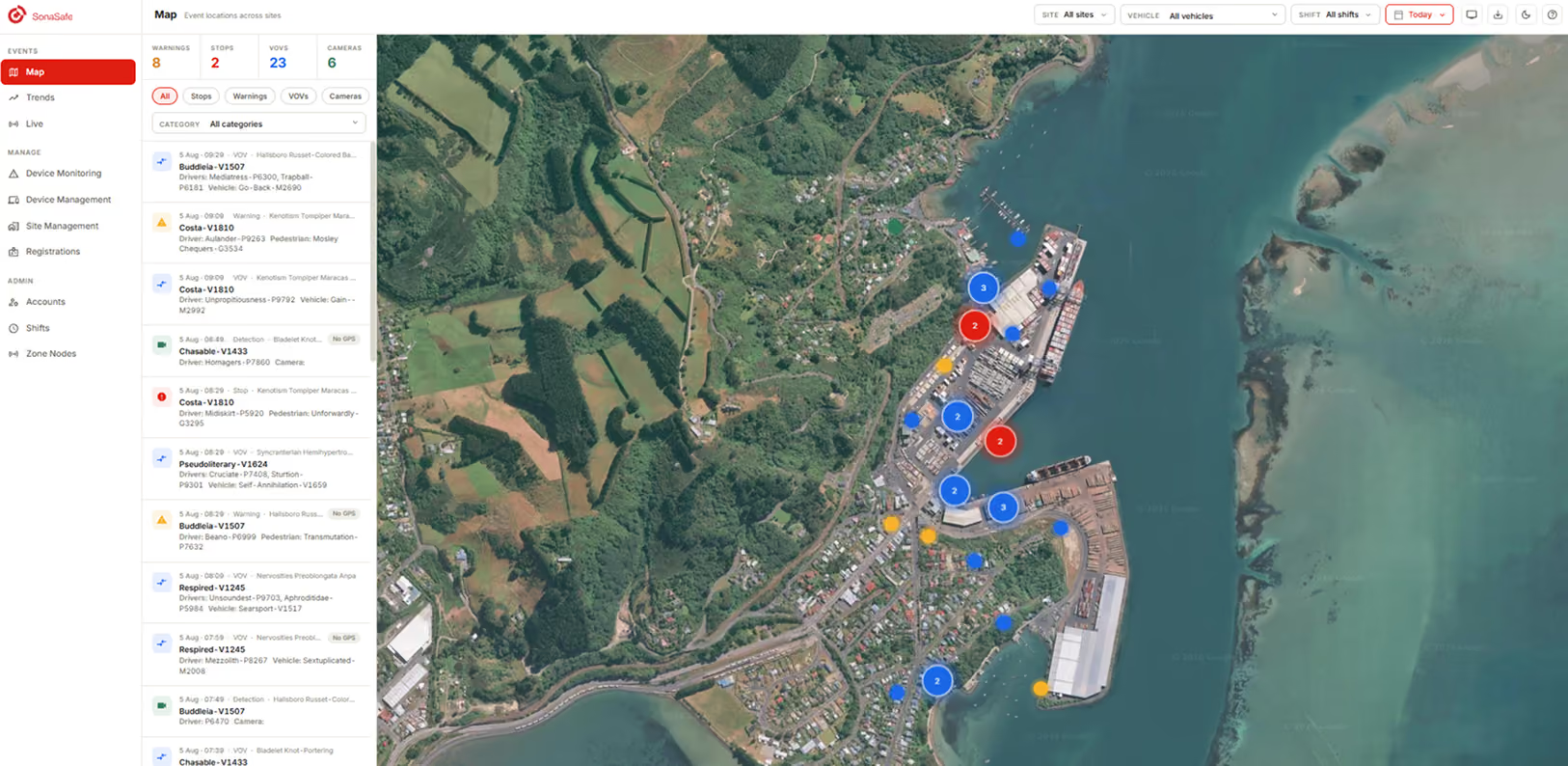
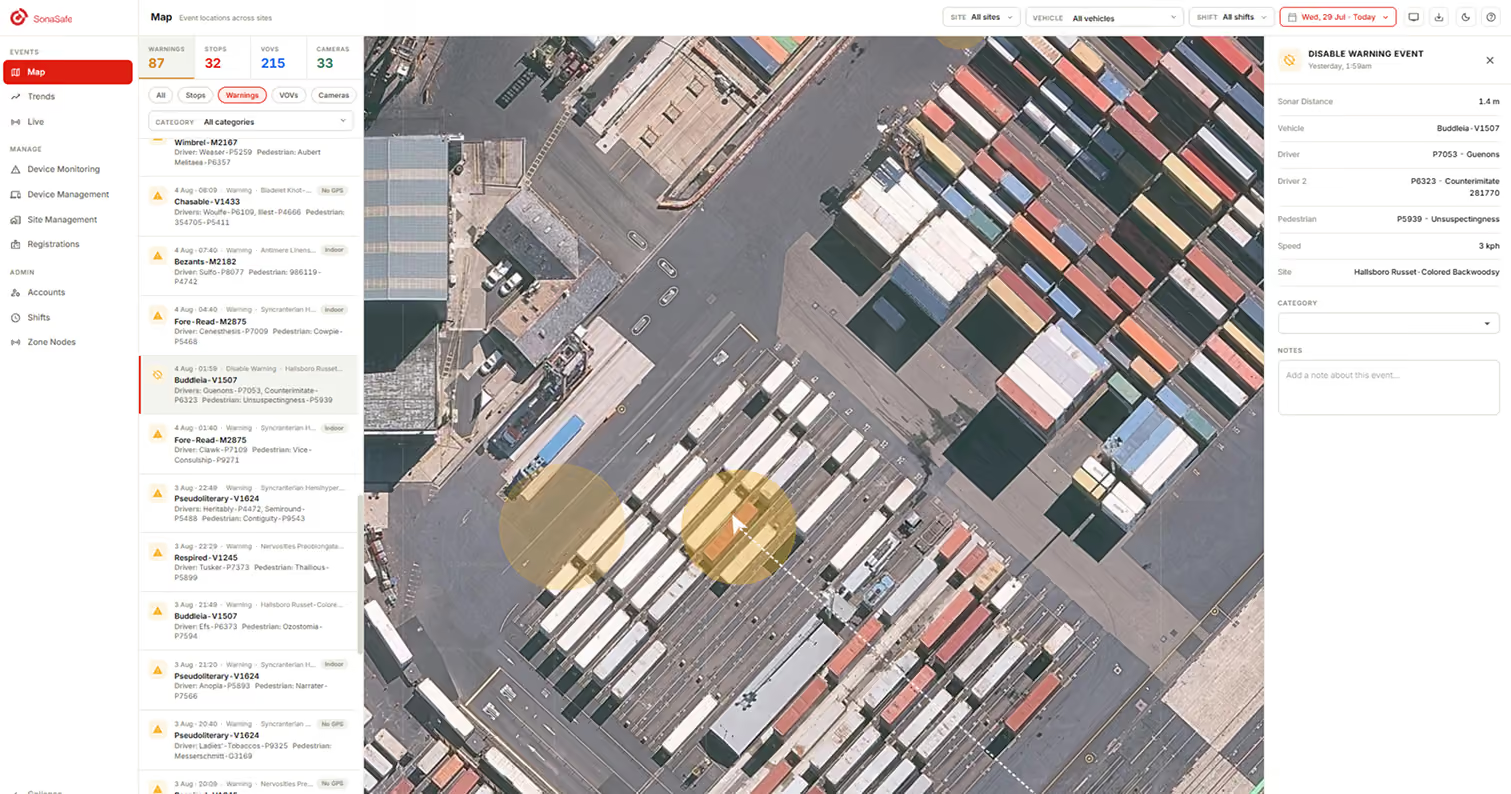
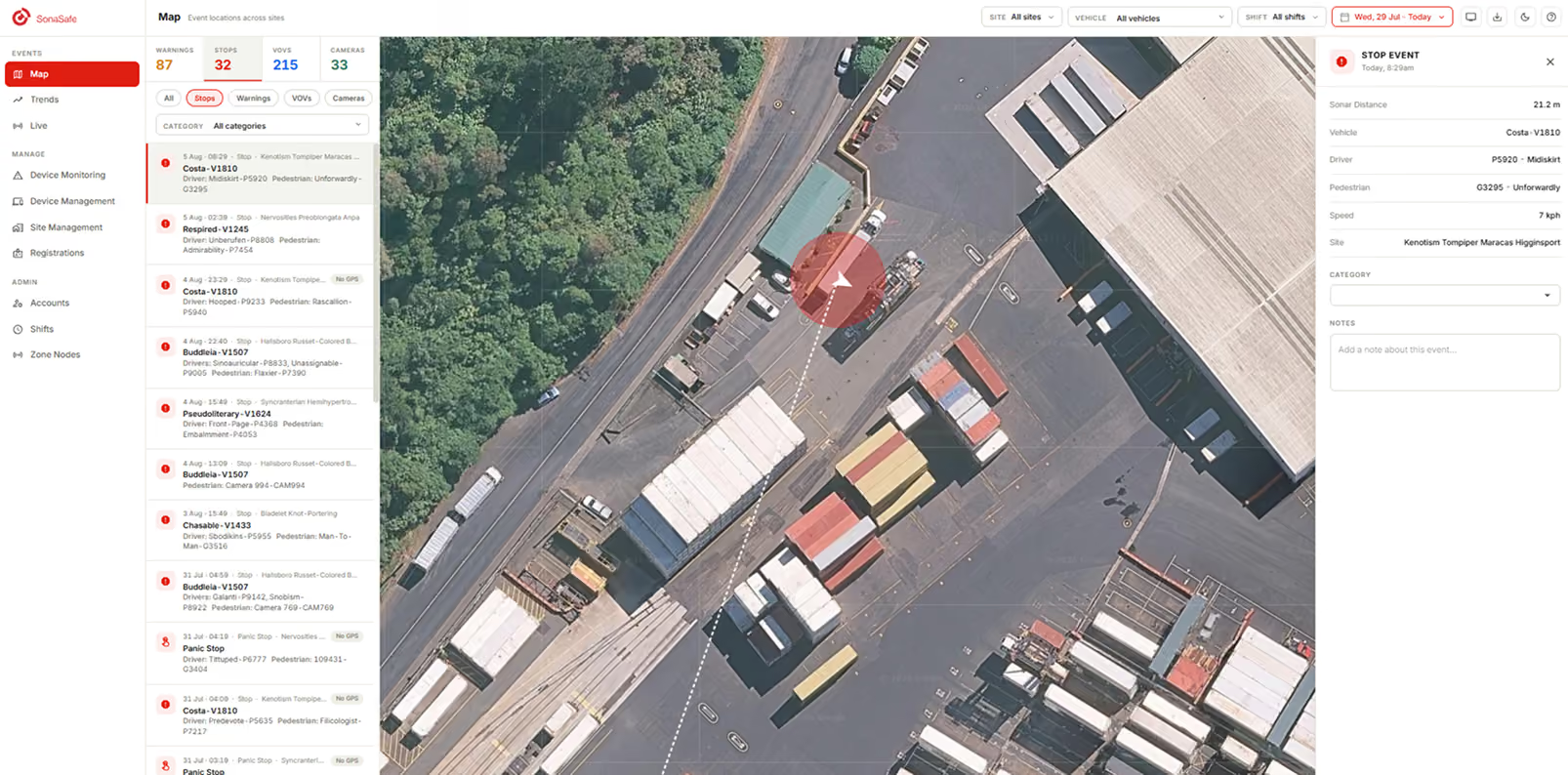
Cloud dashboards, analytics and AI Executive Insights help teams identify repeat-risk zones, brief workers and track improvement over time. Not just incident awareness – continuous safety improvement.

Real-time forklift and mobile plant safety system designed to support vehicle to vehicle collision avoidance and pedestrian protection using sonar and AI-powered risk detection and enhanced operator awareness.
Different stakeholders need different evidence before they can support a safety investment. SonaSafe helps each team understand the risk, the operational fit and the case for a pilot.
Make risk visible before it becomes a cost.
SonaSafe helps turn hidden forklift and mobile plant risk into clear data, pilot results and board-level reporting – supporting duty of care, reducing exposure to serious incidents and building a stronger business case for safer operations.
Turn safety risk into evidence for action.
Use SonaSafe data to identify repeat-risk zones, monitor near misses and exclusion-zone breaches, support engineered controls and give teams clearer evidence for audits, toolbox talks and continuous improvement.
Fit the safety system to the way your site actually works.
SonaSafe can be configured by zone, vehicle type, task and traffic flow – helping reduce unnecessary alerts, protect operational flow, support operator adoption and prove the right setup before wider rollout.
SonaSafe is deployed through a practical, pilot-led process. The goal is to prove the right
configuration in your environment before committing to a broader rollout.
Complete the online safety audit, then review site risks, vehicle types, pedestrian interaction and existing controls.
Configure a controlled pilot in selected high-risk zones with the right tagged, tagless or hybrid setup.
Review alerts, zone breaches, user feedback, false-alert performance and operational fit.
Roll out across the right vehicles, zones and sites with training, support and ongoing reporting.
Real-time alerts help reduce immediate risk. Data helps reduce repeated risk. SonaSafe’s cloud-based reporting, dashboard insights and AI Executive Insights help teams see where interactions are happening, where behaviours are changing and where further action is needed.
Use safety data to support toolbox meetings, identify repeat-risk zones, engage workers with visual evidence and give executives clearer visibility of mobile plant interaction risk across sites.
The cost of a serious incident can extend well beyond the immediate claim. It can include
downtime, investigation, re-training, overtime, increased insurance pressure, regulatory attention
and the human cost of an injury that should have been prevented. SonaSafe’s ROI calculator
helps executives and safety leaders start building a practical prevention case.
Explore practical guides, industry applications and customer results that show how SonaSafe helps reduce
forklift and mobile plant interaction risk in real operating environments.
Tagged, Tagless or Hybrid – selected based on your site requirements.
Warehousing, ports, container terminals, heavy industry and manufacturing applications.
Proof, results and lessons from pilot-led deployment.
A buyer checklist for comparing camera-only, tag-only, warning-only and configurable safety systems.
Since implementing the SonaSafe solution we've been able to engage our staff in Health & Safety conversations supported their real-world data. Working alongside our internal team and those at SonaSafe we've seen an 80% reduction in near misses as well as a 65% reduction in exclusion zone breaches. Ultimately we're driving behavioural change through a more engaged workforce and creating a safer work environment.
Grant Lemin
Mainstream Chief Operations Officer, Mainstream
We established a temporary site without activating SonaSafe. Remarkably, the team—comprising staff previously accustomed to SonaSafe enabled environments continued to observe exclusion zones diligently. This experience underscores the enduring influence of SonaSafe on our workforce's safety practices, highlighting that safety consciousness has become an ingrained aspect of our daily operations.
Rob McMillan
Manager of Container Terminals for the North Island, Kiwi Rail
Working around these machines, visibility and timing are everything. With SonaSafe’s role-based PDUs, I have confidence that the system is working around me, not against me. The alerts are set to match the real risks of our team, so I know immediately when someone enters a potentially harmful zone beneath or around the crane. It gives me the flexibility to operate efficiently while knowing that the people on the ground are protected. Over time, that awareness becomes part of our daily operation and how we work.
NorthPort
Crane Operator
© 2026 SonaSafe