Choose the right safety detection solution for your site

SonaSafe offers three configurable deployment models – Tagged, Tagless and Hybrid – each designed to help reduce forklift and mobile plant interaction risk in real operating environments. The right solution depends on your site risk, pedestrian access, visibility conditions, workforce type and the level of detection confidence required.
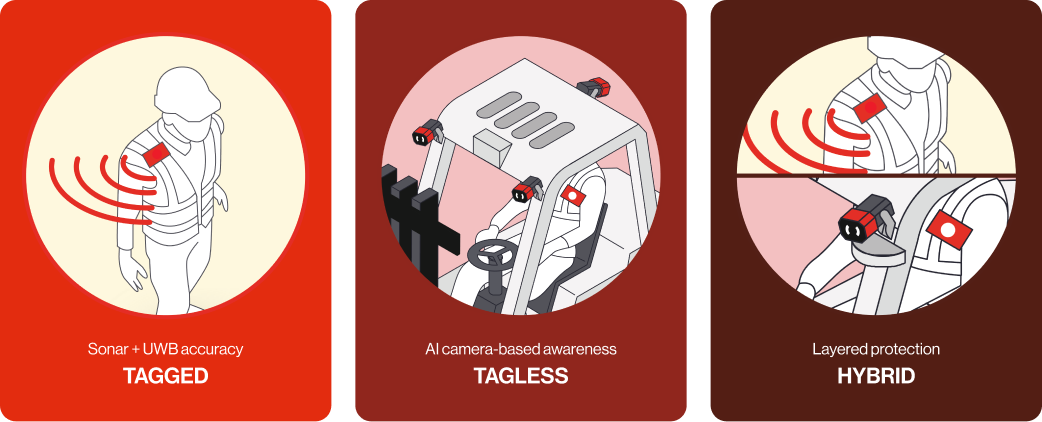
One configurable platform, three deployment models

A key consideration is how pedestrians, contractors, visitors and operators move through your site.
The site assessment confirms the right mix before trial. Configuration can vary by zone, vehicle type, task and workforce group.

Illustration of a person in white armor clutching their left side with red curved lines indicating pain or injury.

TAGGED

Sonar + UWB accuracy

Tagged detection is strongest where access can be controlled and tags can be worn consistently.

Read More
Isometric illustration of the interior of a small vehicle cabin showing a driver's seat with a headrest, steering wheel, dashboard, and a side door with a window.

TAGLESS

AI camera-based awareness

Tagless AI camera-based detection is valuable where people move through lower-friction or uncontrolled areas and wearable compliance is harder.

Read More
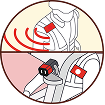
Two-part illustration showing a person wearing a headset with red sound waves directed toward the mouth and a person wearing a device on their arm emitting red signals, indicating communication or monitoring via wireless technology.

HYBRID

Layered protection

Hybrid is often the best fit when the site includes both controlled high-risk zones and more dynamic pedestrian access areas.

Read More
Illustration of a person in white armor clutching their left side with red curved lines indicating pain or injury.

TAGGED – Reliable prevention and ultimate accuracy

SonaSafe Tagged combines sonar-driven proximity detection with UWB wearable tags to support high-confidence detection in complex environments. It is suited to controlled and/or complex sites where people and mobile plant interact around blind spots, racking, container stacks, outdoor zones, harsh conditions or high-risk operating areas.

Best For

• Controlled and/or complex environments where tag use can be managed.

• Blind spots, high pedestrian density, obscured visibility and non-line-of-sight pedestrian risk.

• High-risk interaction zones where earlier, more reliable detection matters.

• Warehouse, freight, port and heavy industry applications requiring stronger detection confidence.

• Sites seeking configurable intervention controls where technically available.

Key Features

• Sonar + UWB tagged proximity detection.

• Reliable non-line-of-sight detection where vision may be obscured.

• Real-time simultaneous alerts for operators and pedestrians.

• Configurable warning and stop zones.

• Vehicle speed reduction and intervention controls where technically available.

• Large sounder and alerting options for heavy mobile plant and container handling equipment, subject to site assessment.

• Cloud-based reporting, dashboard insights and AI Executive Insights.

Key Benefits

• Detects workers cameras may not see.

• Supports earlier and more accurate risk awareness.

• Helps reduce false alerts through site-specific configuration.

• Builds operator trust by making alerts more relevant.

• Provides usable data for coaching, toolbox meetings and leadership reporting.

Isometric illustration of the interior of a small vehicle cabin showing a driver's seat with a headrest, steering wheel, dashboard, and a side door with a window.

TAGLESS – Simplified visibility and awareness

SonaSafe Tagless provides a lower-friction entry point using Proxicam enhanced AI camera-based pedestrian detection and configurable alert logic. It is suited to environments where wearable tag compliance is difficult, workforce movement is more dynamic or a site wants to begin with practical proximity awareness before scaling to tagged or hybrid protection.

Best For

• Uncontrolled or contractor-heavy pedestrian access areas.

• Indoor or clearer line-of-sight environments.

• Sites wanting faster deployment and lower user adoption friction.

• Customers who want to start with simplified awareness before scaling into higher-confidence detection.

• Visitor, contractor or mixed-access areas where tag issue and charging would be less practical.

Key Features

• Proxicam AI camera-based pedestrian detection, enhanced to integrate with the SonaSafe system.

• Forklift-specific deployment and configured detection zones.

• Real-time operator alerting in line-of-sight interactions.

• Configurable alert logic for real operating conditions.

• Operational reporting and dashboard visibility.

• Pathway to tagged or hybrid deployment where risk profile changes.

Key Benefits

• Lower-friction way to improve mobile plant awareness.

• Reduces reliance on every person wearing a tag.

• Helps engage sites that are not ready for full tagged deployment.

• Provides a scalable entry point into the same SonaSafe platform.

• Supports practical risk reduction without forcing one model across every zone.

Two-part illustration showing a person wearing a headset with red sound waves directed toward the mouth and a person wearing a device on their arm emitting red signals, indicating communication or monitoring via wireless technology.

HYBRID – Flexible layered protection

SonaSafe Hybrid combines tagged and tagless deployment in one configurable safety platform. It is designed for sites where risk varies by zone, vehicle type, workforce group, task or visibility condition. Hybrid allows customers to apply stronger detection where it is needed most, while using lower-friction awareness elsewhere.

Best For

• Complex sites with mixed-risk areas.

• Operations with controlled high-risk zones and uncontrolled pedestrian movement elsewhere.

• Warehouses, ports, container terminals and heavy industry sites with multiple equipment types.

• Customers wanting a flexible and future-ready platform.

• Sites that may scale protection over time without starting again.

Key Features

• Combination of sonar, UWB tags and AI Proxicam camera-based detection.

• Zone-by-zone risk configuration.

• Real-time simultaneous alerts for operators and pedestrians.

• Configured Level 9 intervention controls to slow vehicle where technically suitable.

• Cloud-based reporting, dashboard insights and AI Executive Insights.

• Support for forklifts, MHE, CHE and other mobile plant applications subject to site assessment.

Key Benefits

• One platform for multiple risk scenarios.

• Supports higher-confidence protection without forcing tags everywhere.

• Allows customers to start, learn and scale over time.

• Improves flexibility across warehousing, ports, heavy industry and manufacturing.

• Helps future-proof the safety investment.

Product comparison at a glance

ConsiderationTagged (Sonar + UWB)Tagless (AI Camera)Hybrid System
Core fitControlled and/or complex environments needing high-confidence detection.Uncontrolled or lower-friction areas where wearable compliance is difficult.Mixed-risk sites where different zones need different detection models.
Detection approachSonar + UWB wearable tag detection.AI camera-based tagless pedestrian detection.Combination of sonar, UWB and AI camera-based detection.
Non-line-of-sight detectionStrongest fit where people may be obscured from view.Line-of-sight awareness; best where visibility is clearer.Applies tagged detection where non-line-of-sight risk is greatest.
Operator and pedestrian alertsReal-time simultaneous alerts for both operator and pedestrian.Real-time operator alerting; pedestrian alerting depends on configuration.Real-time alerts by zone and model, with tagged/hybrid dual alert capability.
Intervention controlsAvailable where technically suitable and configured.Awareness-led, with configuration dependent on system design.Available in tagged/hybrid zones where technically suitable.
Data and analyticsCloud-based reporting, dashboard insights and AI Executive Insights.Cloud-based reporting, dashboard insights and AI Executive Insights.Cloud-based reporting, dashboard insights and AI Executive Insights.
Typical equipmentForklifts, tow tractors, MHE, CHE and selected mobile plant subject to assessment.Forklifts and mobile plant where camera-based detection is suitable.Forklifts, heavy mobile plant, container handling equipment, terminal tractors, gantry/spreader crane adjacent zones subject to assessment.
Best customer stageReady for high-confidence detection and more advanced protection.Wants to start quickly with lower-friction awareness.Needs flexibility and wants to future-proof rollout.

Dynamic exclusion zones for forklift and mobile plant safety

Designed for the way forklifts and mobile plant actually operate

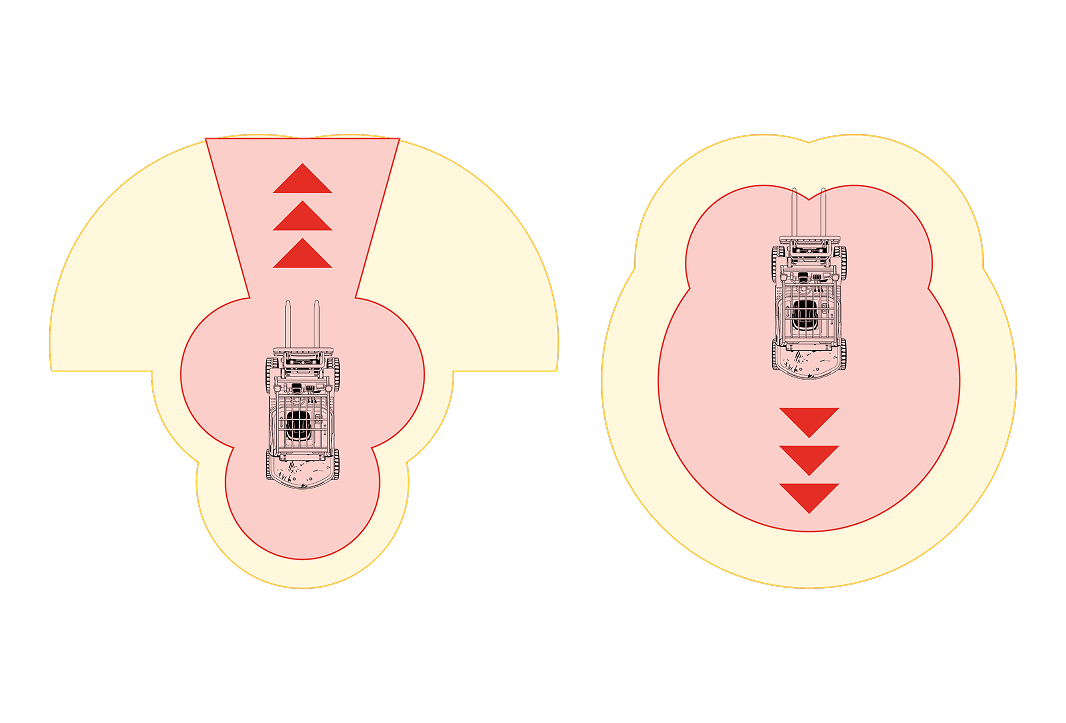
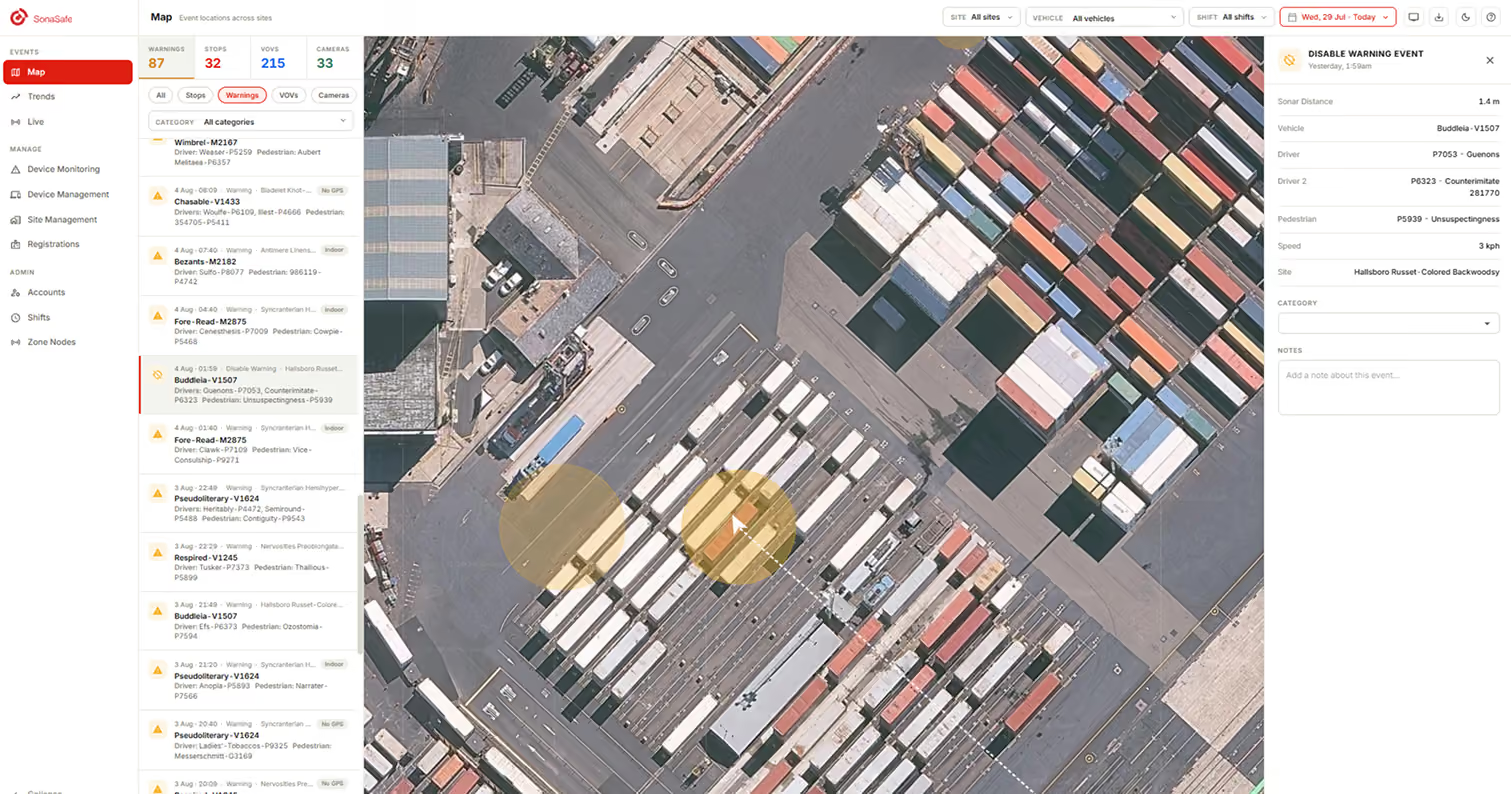
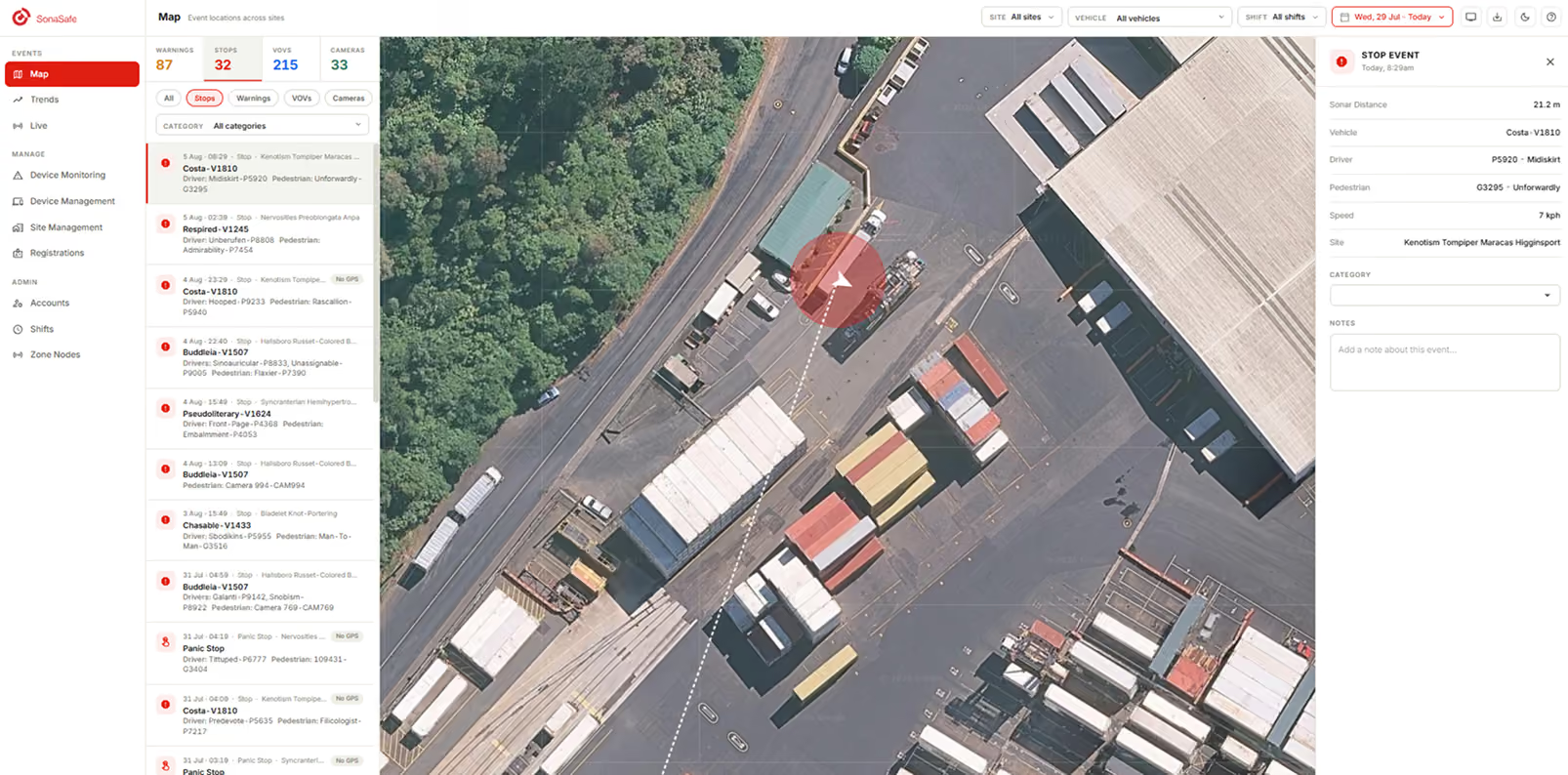
Forklift and mobile plant risk changes by direction, speed, load, location and task. SonaSafe can be configured so detection zones, alert logic and intervention rules reflect the real risk, rather than applying a fixed bubble around every vehicle. This helps reduce unnecessary alerts, build operator trust and produce more useful event data for safety teams.

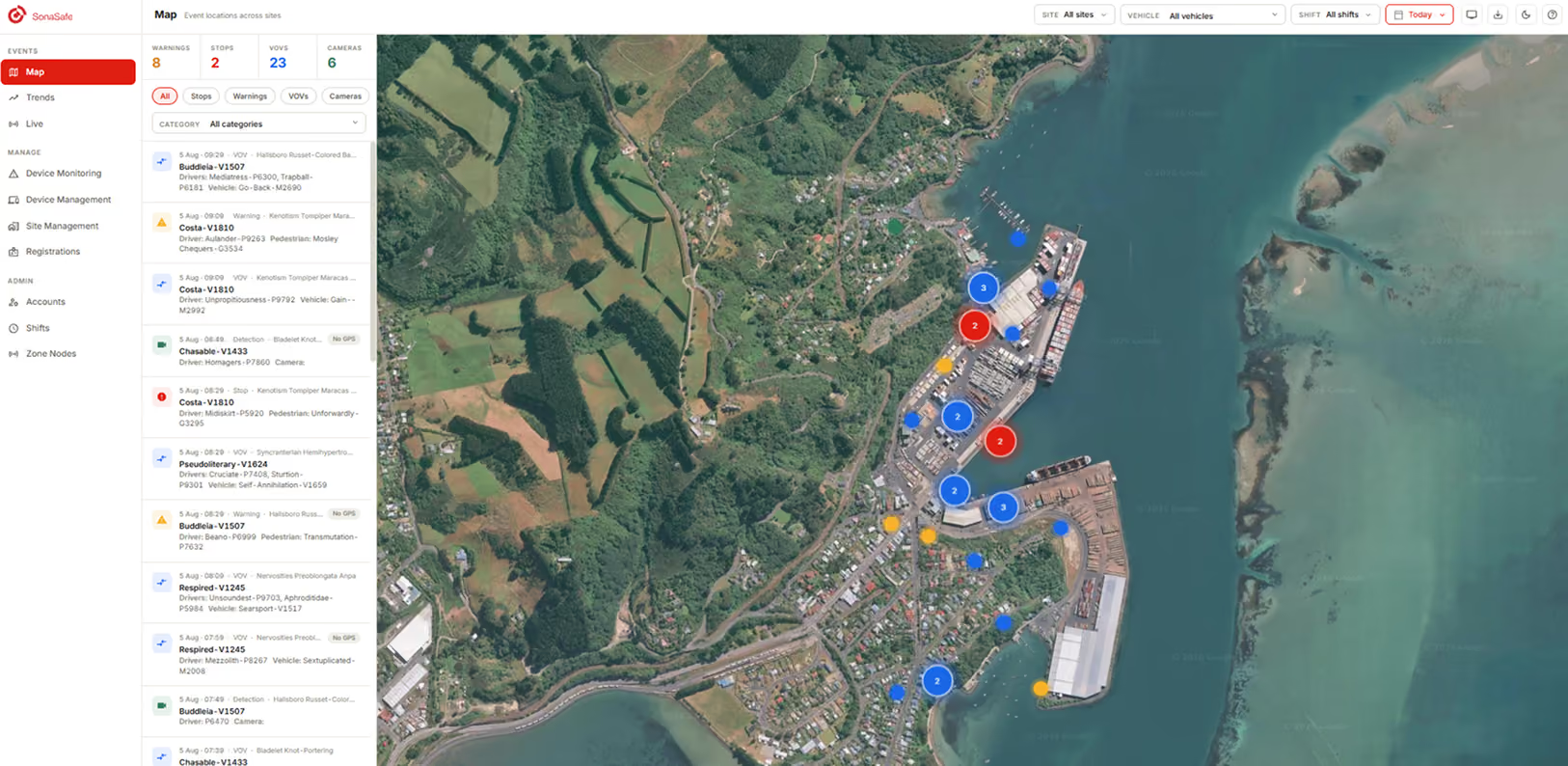
SonaSafe can support dynamic exclusion zone behaviour such as bubble shape morphing, geofencing and safe zones where natural barriers or engineering controls separate people from mobile plant.

Data, dashboards and AI Executive Insights

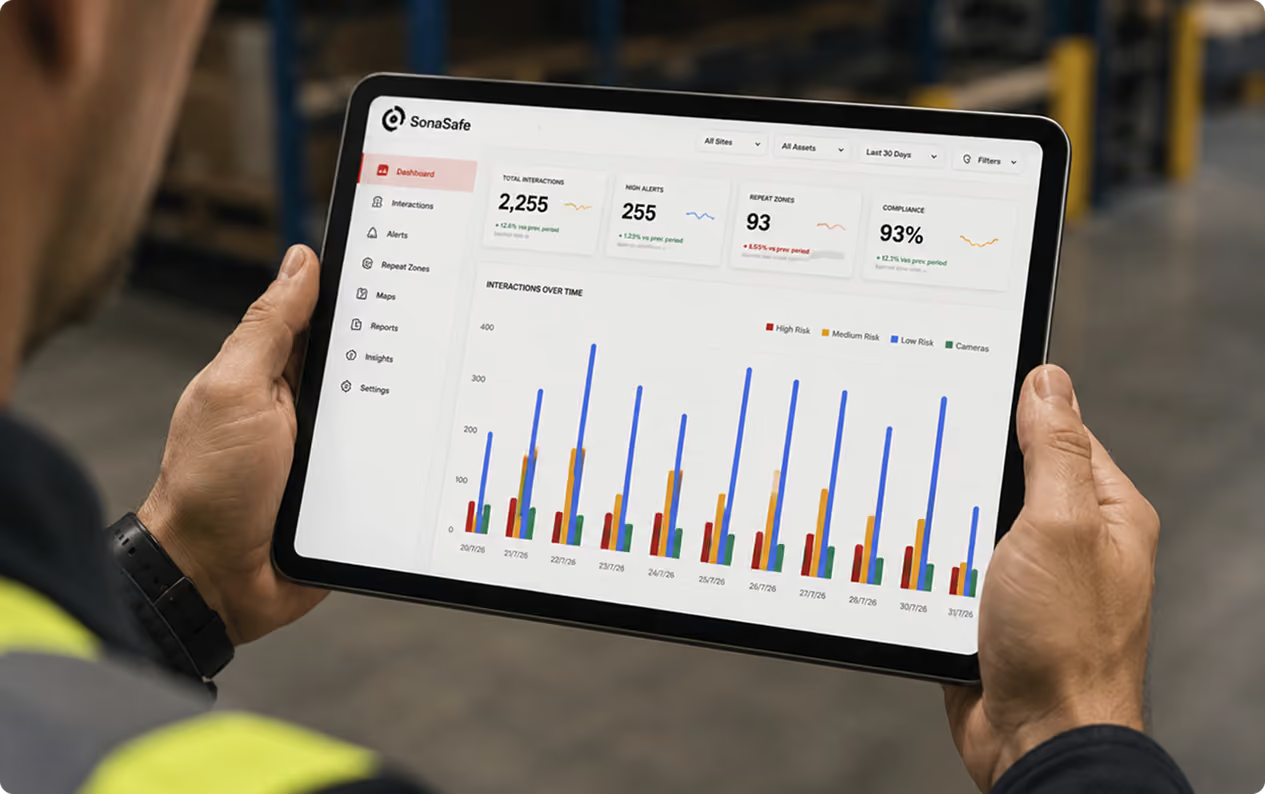
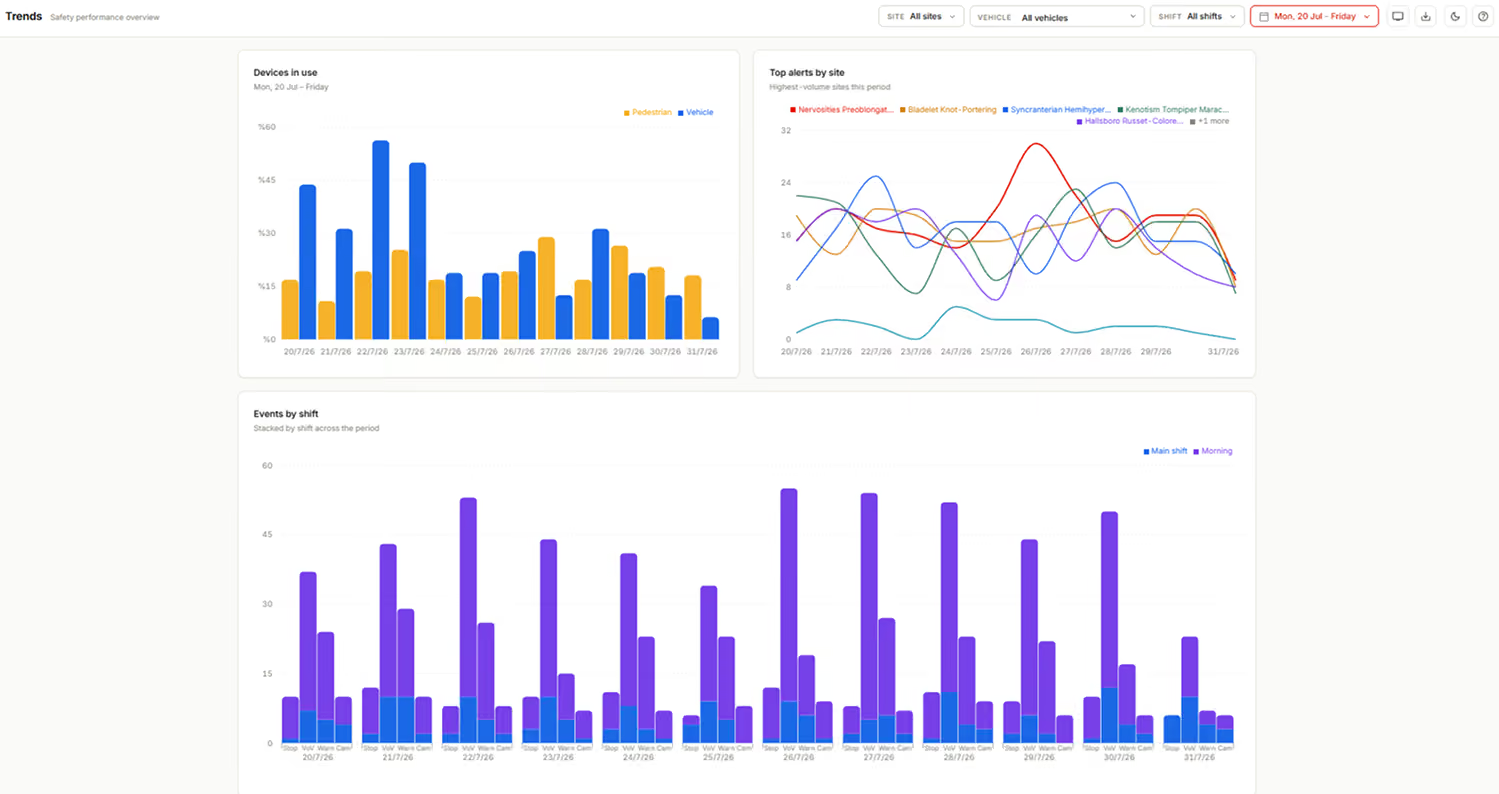
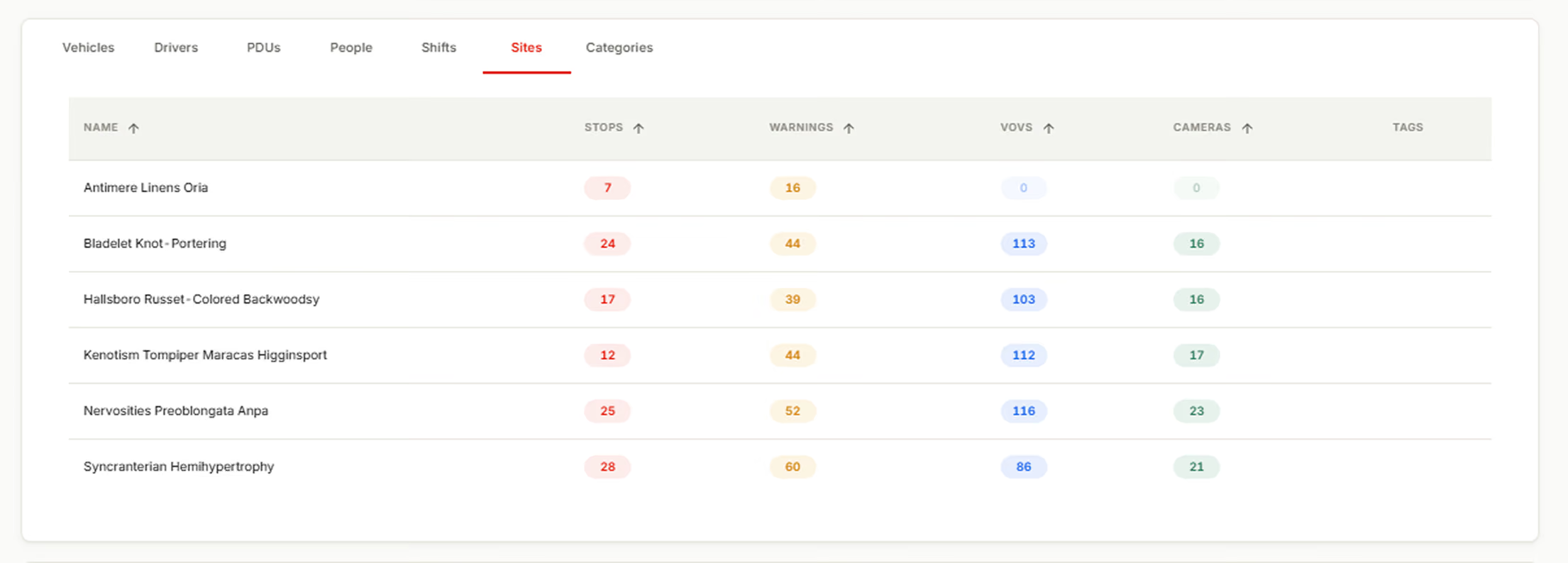
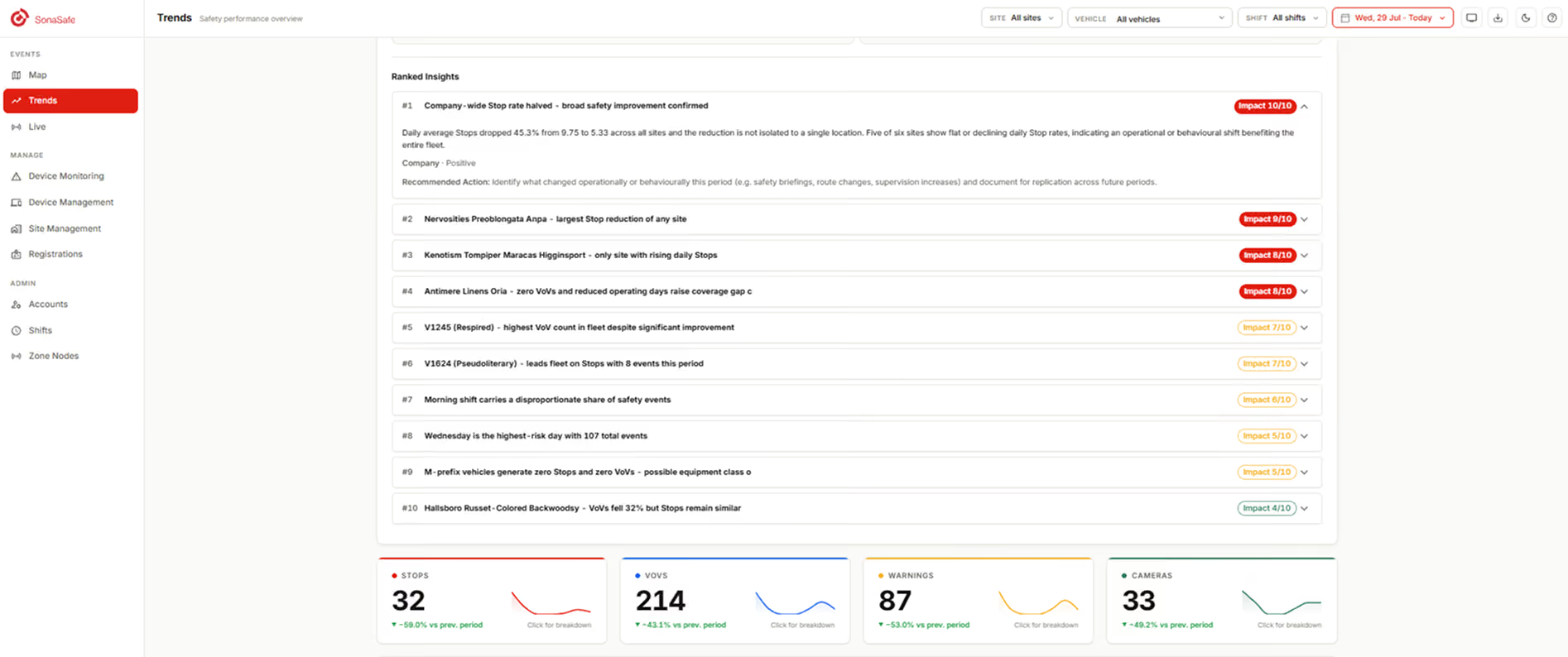
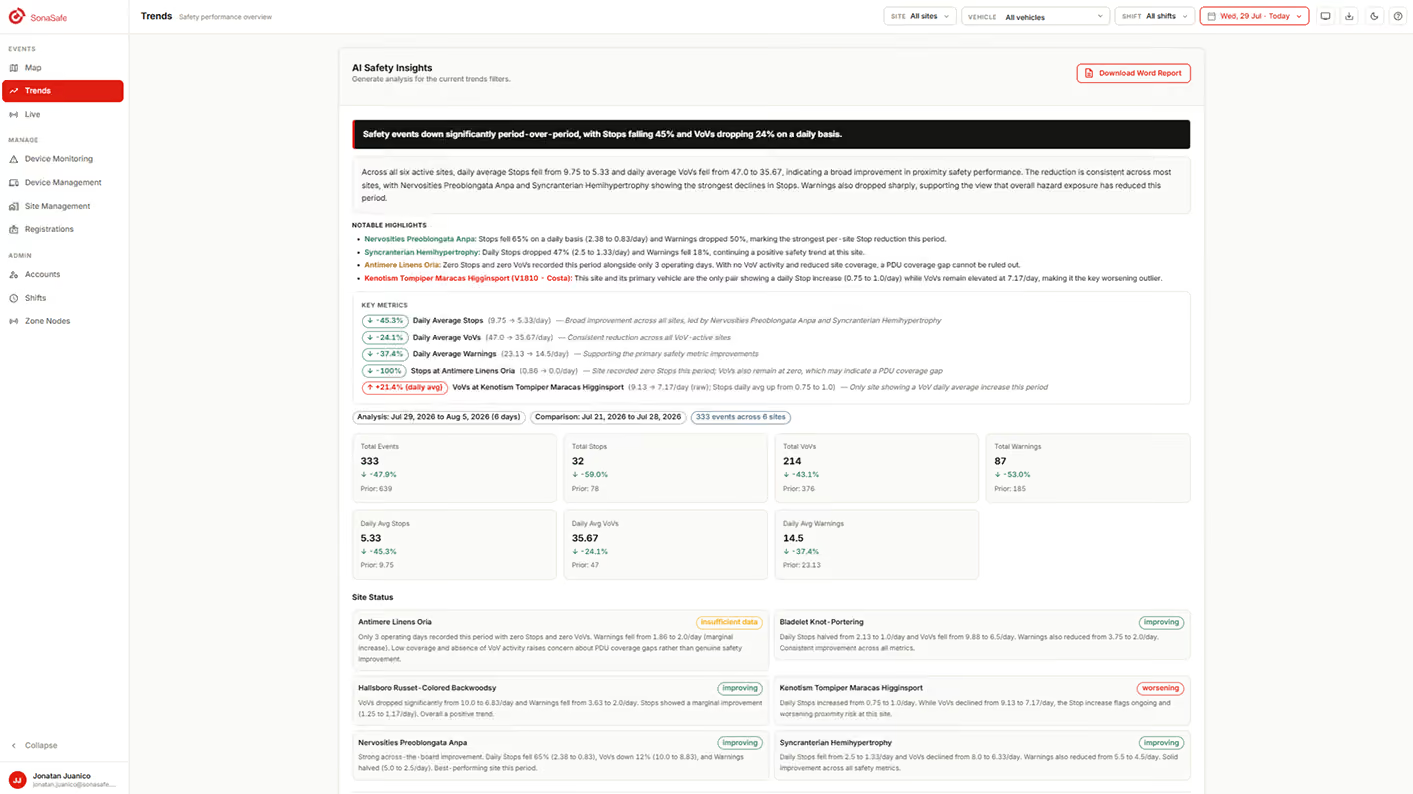
All three SonaSafe product models are supported by data and reporting to monitor system health and device status remotely. The dashboard helps teams identify proximity events, repeat-risk zones, changes in behaviour and the operational areas that need further attention. Safety leaders can review patterns by time, shift, vehicle, area or event type to support toolbox talks and corrective action. AI Executive Insights help translate safety data into clearer reporting for leadership teams, audits and continuous improvement conversations.

×
SonaSafe Gallery Image
1 / 8

BENEFITS

Use visual data to engage workers and support toolbox meetings.

Identify repeated risk zones before they become incidents.

Give H&S and operations teams a shared view of risk.

Support executives with safety trends, leading indicators and progress reporting.

Move from reactive incident review to continuous safety improvement.

Designed to protect people, not watch them.

Investment and Pricing

Every site is different, so pricing is scoped to suit your needs.

Because every site is different, SonaSafe pricing is scoped after a site assessment. The final investment depends on the deployment model, number of vehicles, number of pedestrians or tags, installation requirements, connectivity, support model and rollout plan.

A SonaSafe team member can provide an indicative investment range once your site, fleet and risk areas are understood.

Book an Exploratory CallUse the ROI Calculator

Related Insights & Results

SonaSafe is used in demanding operating environments where people, forklifts and mobile equipment interact every day. Published customer outcomes include significant reductions in near misses and exclusion zone breaches, supported by ongoing monitoring and event data.

Forklift safety for high-interaction warehouse environments

Learn more

Mobile plant safety for ports and container terminals

Learn more

Mobile plant pedestrian detection for heavy industry and manufacturing

Learn more

Choosing between tagged, tagless and hybrid safety systems

Learn more

Not sure which model fits your site?

Talk to the SonaSafe team. SonaSafe will help identify the risk zones, operating conditions and deployment model best suited to your environment.

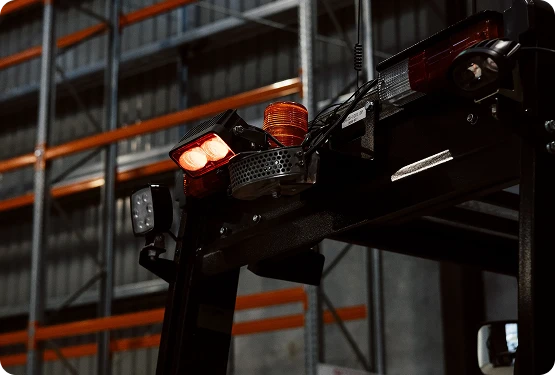
Rear-mounted SonaSafe safety sensor on a forklift.